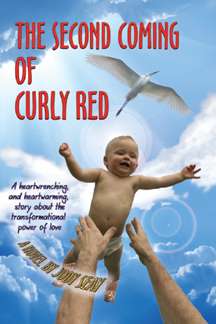
“…The Second Coming of Curly Red could be torn from today’s newspaper headlines and is a candid, compelling, compassionate and illuminating novel. Highly recommended.” Wisconsin Bookwatch, February 2000
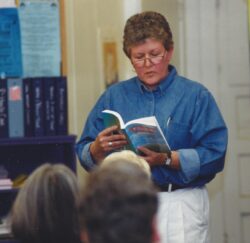
Author Jody Seay reads from her book, The Second Coming of Curly Red, at a book signing. She is as compelling in person as she is on the page
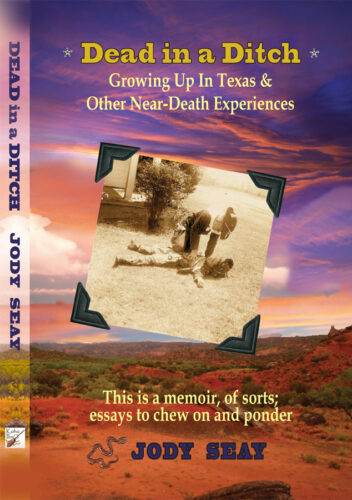
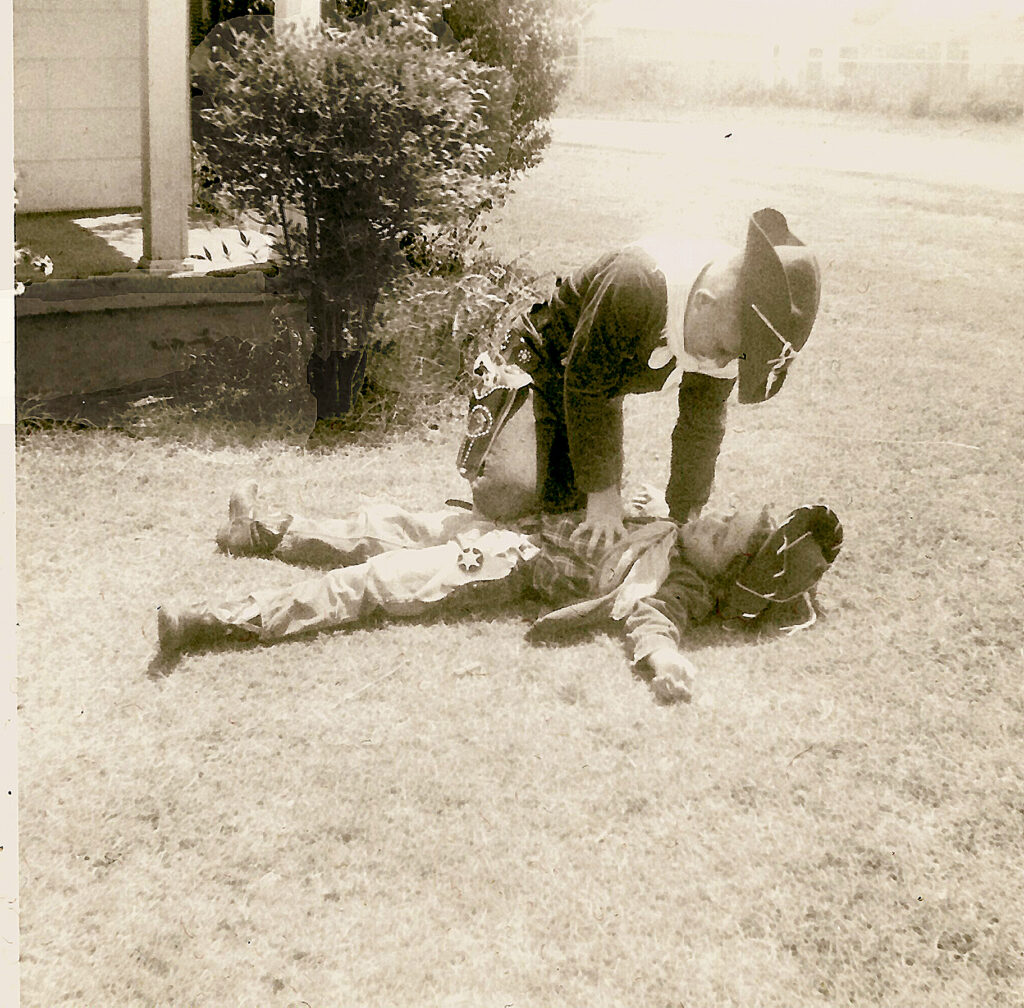
This memoir is like looking at someone’s picture album and, bit by bit, figuring out the story of a loud, rowdy, both loving and dysfunctional Texas family of the 1950-60’s and beyond. From snakes to heathenism to communists to lockjaw, Jody takes the reader on a ride full of laughter and tears, swirling through her childhood
of double-dog dares, screeching through a young adulthood filled with addiction, danger, stupid choices, redemption, and am amazing amount of (mostly undeserved) good luck to, finally, coming out as a lesbian to her very conservative family after her realization: LIVING AN AUTHENTIC LIFE IS THE BRAVEST THING SHE’LL EVER DO.

Co-Authors Jim Lloyd and Jody Seay wrote this award winning true crime, courtroom procedural, Almost a Murder. Jim Lloyd is the lawyer who defended the real-life legal case. As a member of the Oklahoma Association for Justice, his legacy includes helping to pass some of the most progressive legislation to protect the USA jury trial system. Jim was invited by Melvin Belli to become a Lifetime Trustee of the prestigious Melvin Belli Society (offered only to select “lawyers who had distinguished themselves as trial lawyers and who are dedicated to the principles of education on an international basis.”)


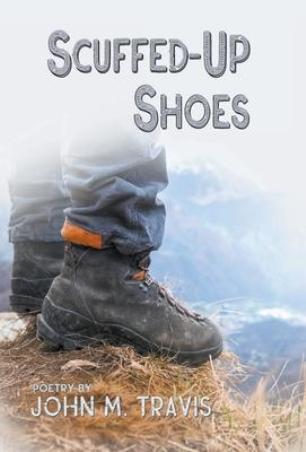
“John Travis brings 50 years of practice alive in the words of this book. He has explored the Dharma in many forms:
as a wandering holy sadhu in India, as a dauntless yogi and spiritual adventurer, as a poet and a meditator, as a student of a hundred spiritual teachers and as a beloved teacher himself, as a father and grandfather, and as a community builder and all along a lover of the Path of the Heart.” May this book be a blessing to which I add my own. Metta.” – Jack Kornfield
First Day
Like a great blazing fire,
Body came to rest on the cushion—
Fired up to stay awake and present
Only to find bittersweet drifting off
Old stories held court
While body cried out,
“Pay attention to me, I’m the most important.”
Everything demanded attention.
Nobody got first choice today.
Maybe enlightenment can wait.
“Where are my car keys?”
March 30, 2005
“The depth and breadth of John Travis’ poetry reflect his own extraordinary life. We first met in the late 60’s when he had been traveling around the ashrams and mountains of India. His inner compass was always aligned with the true north of wisdom and compassion, seeking them out wherever they were to be found. And in this volume of poetry, he shares his great, open, wise heart with us all.” – Joseph Goldstein, author of Mindfulness: A Practical Guide to Awakening
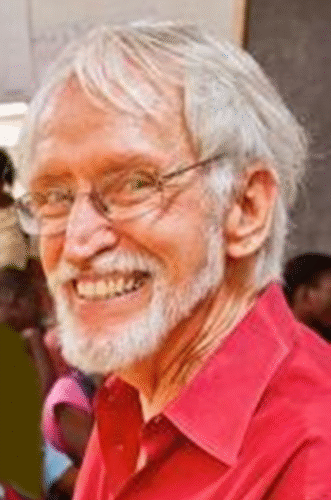
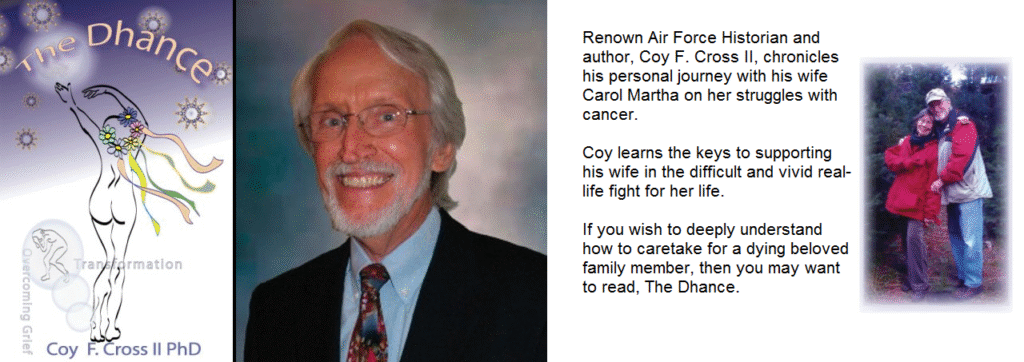
Coy F. Cross II, Editor of Taking the One Seat and Scuffed-Up Shoes. “I Am Grateful to the People Who Made these Books (ABOVE) Possible. Editing them has been a privilege and a challenge. Having an opportunity to listen closely to John’s teachings again and again helped me better understand the Buddha’s insight into relieving suffering in my daily life… a great gift… To paraphrase the old saying, “It takes a sangha to produce a book of John Travis’s Dharma teachings.” First, I’m grateful to John for allowing me to edit and prepare his talks and poems for publication. Second, thank you to Tony Seikel and John Douthit who spent innumerable hours recording, editing and preserving these talks that could have been lost forever. And thank you to Steve Solinsky for his beautiful photographs. John Travis also wanted to include a chapter on karma, but the original talk had apparently been lost. I sadly recounted to my wife Lori that the talk was gone and she replied, “Oh, I attended that retreat ten years ago and have a copy.” So, she is responsible for our being able to include Chapter Eight and I am grateful to her for that and for so much more…. I’m deeply indebted to all the support and also to Mountain Stream sangha for providing a platform for many of John’s talks and for accepting my wife Lori and me into this spiritual community.

By age 4 ½ John realized he didn’t fit with his parents’ expectations. He hid shame and abandonment by escaping into curiosity. At times John attended the best European schools. As a teen he slept in Haight-Ashbury alleys and in his 20s he rode a bus with Ram Dass. With great intentionally, he built relationships and figured out what to let go of and what to love intensely. On these pages are the people, events, and ideas that shaped an intrepid, a beloved teacher and community builder. Peer through this book – a door into – John’s stream of awakening and his growing capacity to live with a free heart.

“This time I am alive and present to witness the genesis of a historic moment in a field of work… Concepts planted like seeds throughout the pages of this book could be the start of significant positive change in the construction safety industry. The only other requirement is to develop the desire to cultivate these ideas and take action now.” – Harry B. Flotemersch, Structured Innovation Facilitator, Sr. Consultant, Shainin LLC

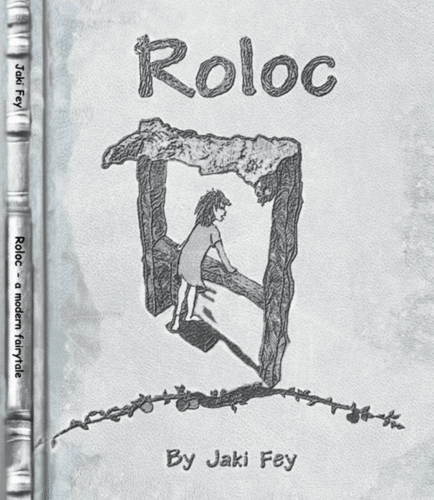
To paraphrase G.K. Chesterton, “Fairytales do not tell children that dragons exist. Kids already know dragons exist. Fairytales tell children that dragons can be overcome”. Or, the essence of all fairytales: as Stephen King explains it is, “a sunny exterior, a dark and terrible center, and brave resourceful children.” Jaki considers the work of childhood to be find/connect with those who honor your individuality – not as a mark or a burden – in order to allow derelict parts of self to be useful, to find the instinctual passion and live in claimed wisdom.

Read mythical stories to our young ones so they learn that little girls can be heroes clear down to the bone. Roloc highlights themes of cleverness, resilience, and learning to distinguish your supportive community from unscrupulous scoundrels disguised as friends.
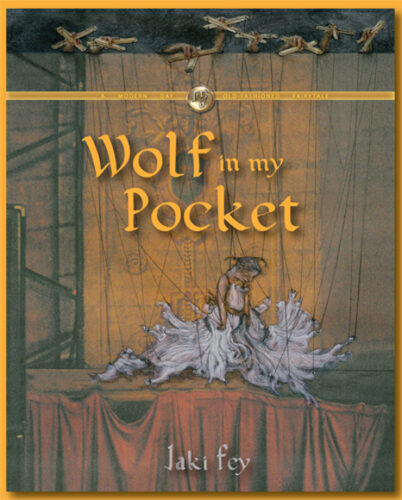
After a summer of hard work, Mrs. Owl delivers bad news. Freya is sent off alone to deliver much needed supplies to the geese. Although she is much too young for this grave responsibility, she never gives up and with the help of her best goose-friend they save Goosetown.
Children of all ages (8-88) will enjoy this gothic fairytale adventure about a good little girl who is labeled “naughty” and “too bold” because her spirit is larger than the constraints of her village. Anka takes her first step into a forest. Thus begins her journey to find her sacred self. This modern day, old-fashioned fairytale is a quest of self-discovery and redemption taken by one brave little girl hero.

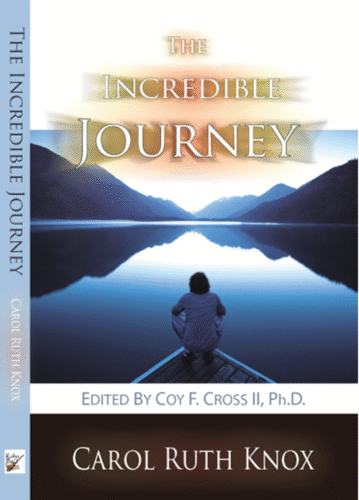

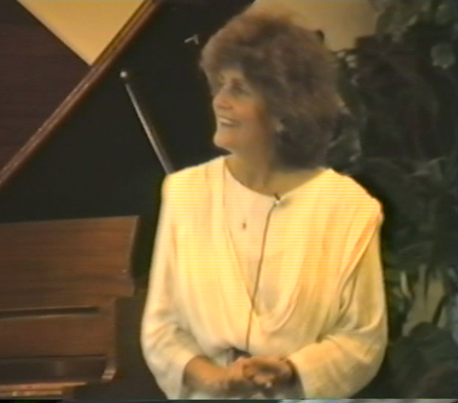
Rev. Knox knew God included everything animate, inanimate, even in dark places. And all things in creation was an opportunity for spiritual growth. She challenged her assembly with quantum physics, philosophy, Eastern religions, and more. Her unique gift was to explain complex ideas so people understood.
In The Incredible Journey Rev. Knox shared her encounters with the Divine and the lessons she learned from them. She taught God is everywhere – in every situation, even the most difficult ones. But you are never alone. God is here in this hard time, too! I’m not here to make your life easier,” Carol Ruth would say, “I’m here to help you grow deeper.”
She presume her congregation to be sophisticated and commit to understand. She never talked down to her attendees, so each Sunday they left with tools to help them in their daily lives. “What astonishing work [Prayer of the Heart is] and far ahead of its time, even though [it is] based on an ancient prayer practice…” – Deborah Heartwood, MA, Sr. Prayer Chaplin, Unity Churches



Fierce, dark, agitated, imaginative, symbolic, psychologically intense read – this book is a real scream of consciousness …
This book is a different kind of ride. Circumstances are extreme. The point of view is inside the mind of a neurotic person fighting to become whole in spite of betrayals, manipulations, a controlling family structure.
Dear Reader, expect to be made anxious and have issues brought up. You’ll read part of the book, put it down, pace, have a nightmare or two, then pick it up again and go on.
“I’ve read so many books and your book is the most unique I have ever read. It takes you places no one could imagine. I highly recommend Persephone’s Seeds. It’s incredible. The subject is death, but it’s really about living.” – Dr. Veronica Esagui, host of author’s forum and author of Veronica’s Diary, and The Journey Of Innocence
“The hero of Persephone’s Seeds searches for complex truths about life, death, love, and hate. The search come at a relentless pace and take the reader on a rollercoaster ride. Some of the characters are almost a perversion of the pleasure-pain principle. We are drawn to them even as they incite fear, get our hearts racing, turn our knuckles white, and toss us around mercilessly.” – Jaki Harvell , author of Wolf in Her Pocket, Last Goose Concert, and Roloc
“The otherworldly feeling smacks the reader immediately upon starting the book. The prose can be very beautiful. You [Dayna] take a lot of chances with your writing, which pays off for the reader with sudden little stabs of emotion or surprise. I like the May 15 motif; using that as a device is quite clever and the little beasts for which the narrator must care are such an interesting and unexpected turn. The idea of this particular, relatable narrator being on an epic quest works very well. The heroism and ability to make choices in difficult times can inspire readers.” Judge of the 10th Annual Writer’s Digest Book Awards
“I’m impressed. You’ve done something original and daring. The way you portray your narrator’s dysfunction through reactions to the world and also by the way you use the dysfunctional view to show the reader the dysfunctional world, too. The real pathos, of course comes when the hero realizes the dysfunction within and out – but the hero doesn’t even fit into it, in any case… I found my thoughts wandering back to the book while I was doing other things, which is a compliment, and I continue to think you are strongest when your hero is trying to reconcile what’s happening in the real world. Waking up in the morgue after being left three days on a dump heap is far more dreadful than any scenario your imaginary dream world provides… and you make us believe it.”


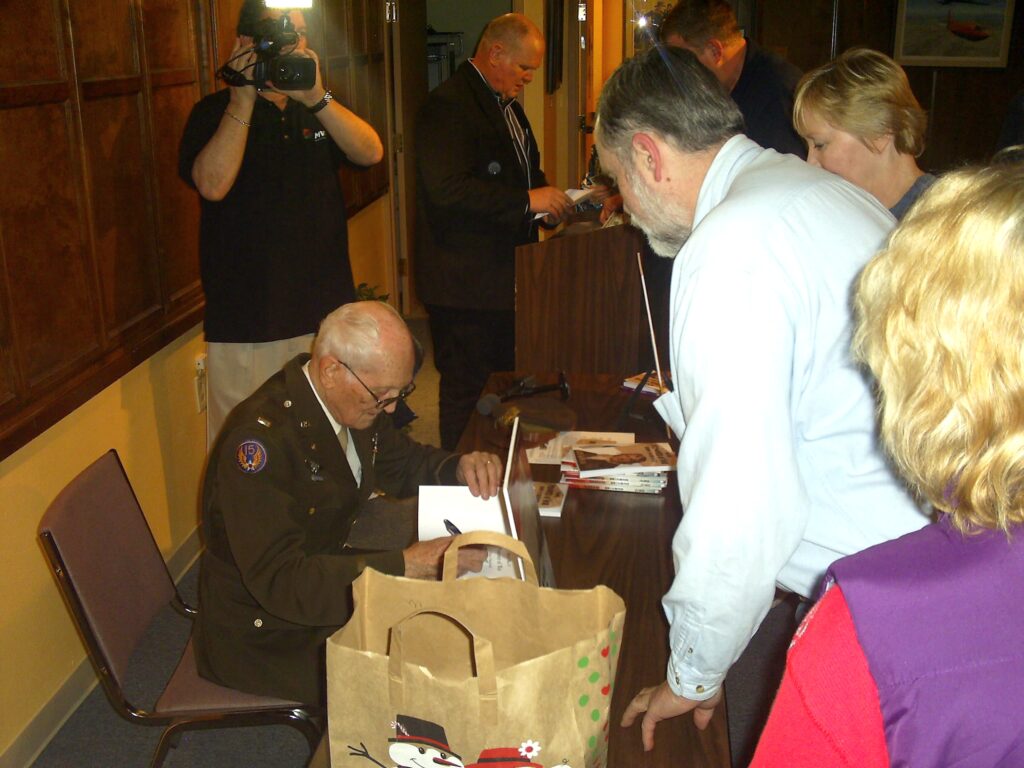

Falling out of the sky was only the beginning. WWII Prisoner of War: How I Survived is the story of young airman, Second Lt. Len Kovar, a B-24 Bombardier shot down over Eastern Europe on a beautiful day in 1943. This first personal account of terror behind enemy lines, capture and imprisonment in Nazi Stalag camps takes readers into the muddy encampments and freezing death marches. As Russian forces advanced, the prisoners struggled to survive each day. Second Lt. Len Kovar
shares the strategies that kept him and others alive. Hundreds of U.S. and Allied prisoners died as Nazi captors force-marched them deep inside German lines through one of the worst European winters ever recorded. The author provides a candid story of survival, his personal struggle to endure and a unique insight into the minds of prisoners and German soldiers following orders of their Nazi leaders. Photographs taken with a smuggled camera inside the Stalag razor wire before VE
Day are featured. Like many of the soldiers, sailors, Marines and airmen of World War II, Len Kovar came home from his service a changed man. As this ‘Greatest Generation’ passes into history, this may be one of the final documented stories of a WWII POW’s courageous survival. WWII Prisoner of War: How I Survived helps recall how victory is won in the singular stories of the men and women who served.